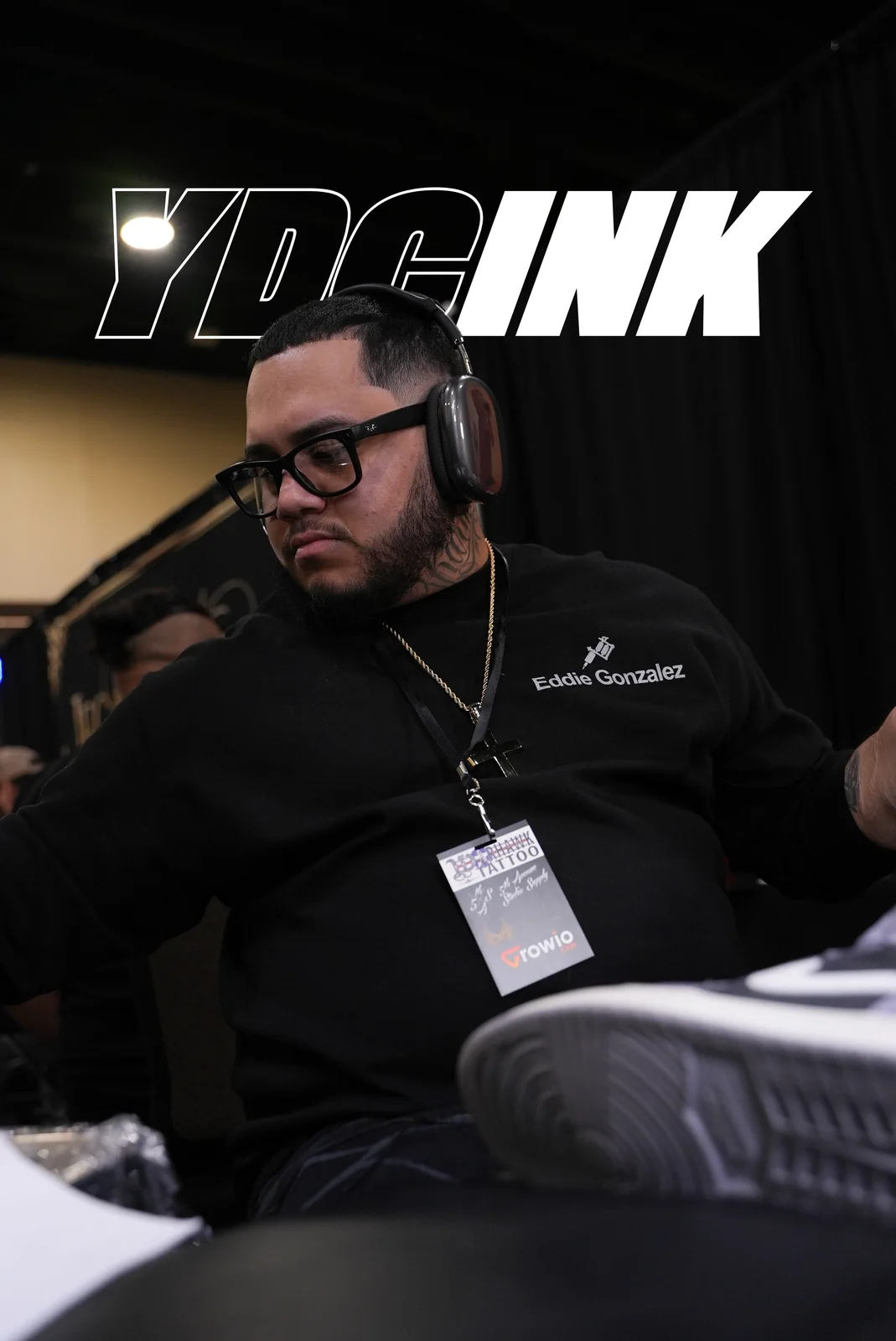
Start with the idea, even if it is not finished
You do not need to show up with every detail figured out. A sentence, a memory, a person, a symbol, or one strong reference can be enough to begin. I would rather understand why the tattoo matters to you than receive a pile of images with no clear direction.
The consultation gives us room to work through what belongs in the piece and what may distract from it. That is especially important for realism, memorial work, sleeves, and larger tattoos that need to read as one composition.
What to include in your request
The clearest requests answer a few practical questions before we talk about the final design.
- The main subject or story behind the tattoo
- Where you want it placed
- The approximate size you have in mind
- Whether you prefer black and grey or selective color
- Reference images that show the mood, detail, or composition you like
- Photos of the placement and nearby tattoos when relevant
- Any timing or scheduling needs you want me to know about
References are direction, not a design to copy
References help me understand what catches your eye. One image may show the lighting you like, another may show the pose, and another may show the overall feeling. They work best as a visual conversation.
Custom work should still feel like your piece. The goal is to use the references to establish direction, then build a composition for your placement instead of copying someone else's tattoo.
What happens after you submit
I review the request for style, placement, scale, and overall fit. If the project lines up with the work I do, the next step is a consultation through Porter. Pricing, session expectations, and scheduling are confirmed directly during that process.
I appreciate every person who trusts me with an idea that means something to them. Give me the honest version of what you want, and we can figure out the strongest way to carry it forward.